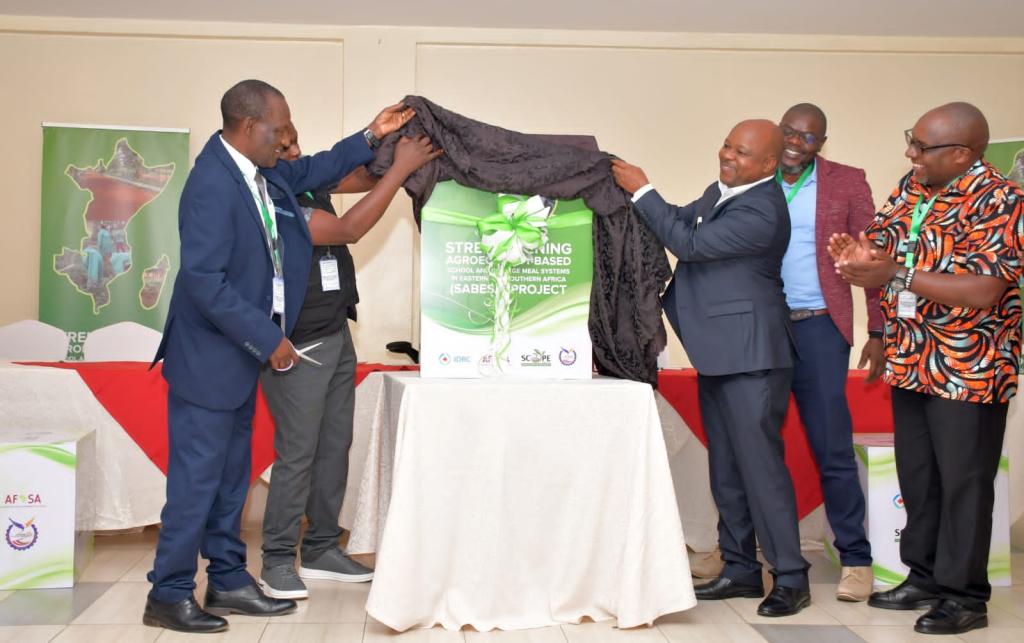
A 42-month initiative being implemented in Kenya, Uganda and Malawi will link schools and colleges with smallholder farmers while promoting healthier diets, local procurement and climate-resilient food systems.
An organization has launched school and college feeding programme (SABESA) project in three African countries.
The launch which was held at Machakos University, is aimed at transforming schools and colleges meals.
SCOPE Kenya’s efforts is to see institutions in Kenya to benefit from healthier, nutritious and more sustainable meals following the launch of the strengthening agroecology-based School and college meal systems in East and Southern Africa (SABESA) project SCOPE Kenya in partnership with Machakos University.
The initiative is designed to transform institutional food systems by promoting sustainable food production, improving nutrition and encouraging schools and colleges to embrace locally available, healthy foods in their meal programmes.
Speaking at the launch event in Nairobi recently, SCOPE Kenya national coordinator John Macharia revealed a 42-months initiative seeking to transform schools and colleges food systems through agroecology, local procurement and stronger linkages between educational institutions and smallholder farmers.
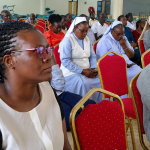
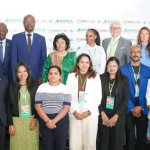
The launch attracted researchers, education and food-system stakeholders, farmers, government actors, civil society organisations and other partners including representatives from the ministry of education, Africa agricultural technology foundation, ministry of agriculture, rockefeller foundation, food4education, glorious women group, SADI Kenya, World food programme, PELUM Kenya, TMG Think tank, heads of institutions from Kimua comprehensive and St Anne Sega girls primary school.
However, Macharia added that the stakeholders have come together to explore practical ways of making school and college meals healthier, more sustainable and locally driven.
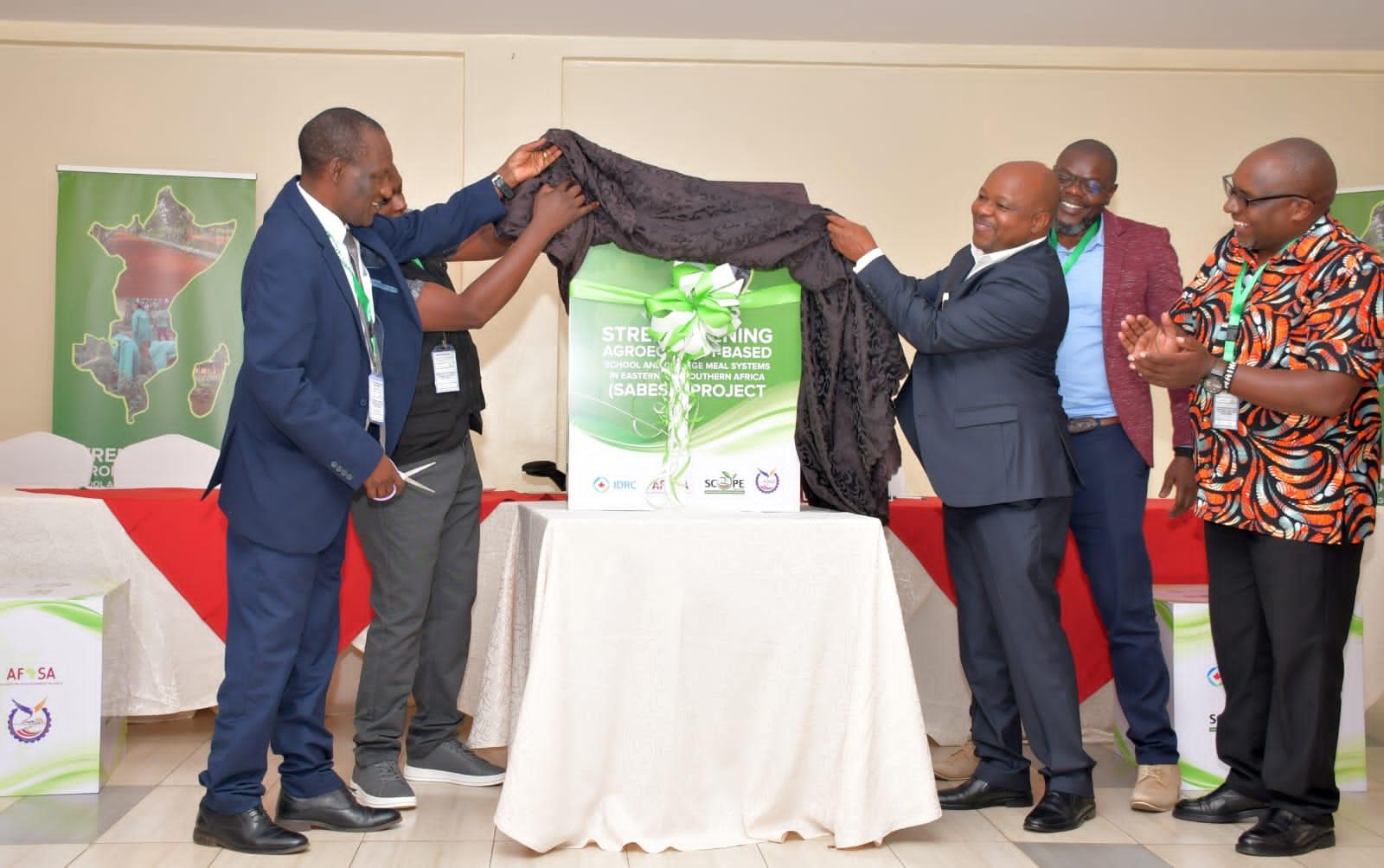
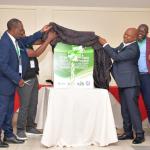
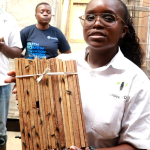
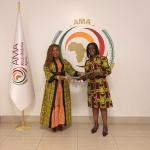
Officials of SCOPE Kenya launching the school and college meal programme at Machakos university where it was honored for being the too participant
Funded by the international development research centre (IDRC) and led regionally by the alliance for food sovereignty in Africa (AFSA), Macharia stated that the project is being implemented in Kenya, Uganda and Malawi.
In Kenya, the project is being implemented by SCOPE Kenya in partnership with Machakos University in five counties of Busia, Bungoma, Siaya, Murang’a and Kiambu.
“The project comes at a time when schools feeding systems across East and Southern Africa face challenges ranging from unreliable food supply chains and limited connections between schools and farmers to inconsistent finance and dependence on conventional or externally sourced foods,” Macharia stated.
He further added that at the same time, climate change, soil degradation and biodiversity loss are placing additional pressure on local food systems, making the need for resilient and sustainable approaches increasingly urgent.
He also highlighted that the project seeks to position schools and colleges as important entry points for connecting food production, nutrition, education, local markets and climate resilience.
Macharia noted that through the project, partners will investigate how agroecological production and local food procurement can improve the quality and diversity of meals served in educational institutions while creating reliable markets and livelihood opportunities for smallholder farmers.
The project’s overall objective is to promote sustainable and healthy diets, increase incomes for smallholder farmers and strengthen resilient local food systems through the co-creation, piloting and scaling of inclusive and viable Agroecology-based school and college food supply systems.
He argues that rather than developing solutions from the top down, the initiative will use a Participatory Action Research (PAR) approach.
“This will ensure that farmers, schools, colleges, researchers, government, parents, communities and other food-system actors are active participants in identifying challenges, developing solutions, testing approaches and generating evidence,” he added.
He reported that the project will focus on three key areas; understanding existing school and college meal systems, co-designing and piloting Agroecology-based models and generating evidence to support the scaling of successful approaches.
“School meals are more than a source of food for learners. They can contribute to improved nutrition, school attendance and learning while simultaneously supporting local farmers and strengthening local economies,” Macharia said.
Prof James Muola, deputy vice chancellor, in charge of research said that Machakos University will work with relevant government agencies, schools, researchers, farmer organisations and civil society and community stakeholders to examine existing practices and identify opportunities for action, learning and policy engagement.